Light, Regular or Extra Strong Nicotine Pouches Compared
Nicotine pouches are easy to compare on the surface. They come in different flavours, different formats and different strength ratings. The real choice often comes down to how much nicotine a person is used to, how noticeable they want the sensation to be, and how often they plan to use a pouch during the day. Light, regular and extra strong options each suit a different kind of preference, and the best match is usually the one that feels steady rather than overpowering.
For adults aged 18 and over, a useful starting point is to treat strength as a range, not a fixed label. Terms such as light, regular and extra strong are helpful shortcuts, but they do not replace reading the nicotine content shown on the product. That information is usually given in milligrams, and it gives a clearer idea of what one pouch contains. Two pouches with similar front-of-pack wording can still feel different once factors such as nicotine release and pouch size are taken into account.
What the strength labels mean in practice
A light option is generally chosen by people who want a milder nicotine experience. It may suit someone who prefers a subtle effect, or someone who is careful about not taking too much nicotine in a short space of time. Light nicotine pouches are not the same as zero nicotine products, so the term should not be read as nicotine free. The strength is lower relative to other options, but it still needs to be treated as an adult nicotine product.
Regular strength sits in the middle. It often appeals to people who already know they want a clear nicotine sensation without moving straight to the strongest products available. For many adults, this is the more straightforward point of comparison because it avoids the extremes. If a light pouch feels too faint, regular may offer more presence. If an extra strong pouch feels too sharp, regular may feel more balanced.
Extra strong pouches are aimed at people with a higher tolerance or those who prefer a more pronounced nicotine hit. They are not usually the first place to start if the aim is to find a comfortable everyday option. Because nicotine can build up when pouches are used close together, a stronger product can feel very different from what the label suggests if timing is not considered. A measured approach is sensible, especially when trying a new flavour or format.
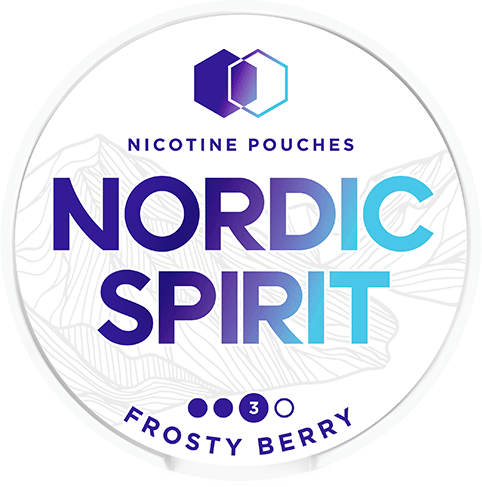
Nic Pouch UK is a UK online retailer offering nicotine pouches from more than 30 brands, organised by strength and flavour for adults aged 18 and over. That kind of structure can make the comparison easier, because strength and flavour are two of the main reasons a pouch feels right or wrong. A person who dislikes a flavour may assume the strength is the problem, while someone who feels a product is too mild may actually be reacting to the format or the way it releases nicotine.
Light, regular and extra strong side by side
The most useful way to compare these options is to look at what each one is likely to offer, then match that against personal preference. The table below keeps the comparison broad, because individual products can vary.
- Light: usually suits a milder preference, a lower everyday nicotine intake, or a slower approach to trying pouches.
- Regular: suits a balanced preference, where the nicotine sensation should be clear but not aggressive.
- Extra strong: suits a higher tolerance and a preference for a more intense nicotine sensation.
That comparison is not a ranking. A stronger pouch is not automatically better, and a lighter pouch is not automatically weaker in quality. The question is fit. A pouch that gives a pleasant sensation at a manageable level is more useful than one that feels too strong or leaves the user wanting more soon after.
Why format matters as much as strength
Strength is only one part of the experience. Pouch size can change how a product feels under the lip and how long it stays comfortable. A slim pouch may feel less bulky and easier to keep in place, while a mini pouch may be preferred by someone who wants something discreet. Neither format guarantees a gentler or stronger experience on its own. The nicotine content and the way the pouch releases nicotine still matter.
Some people notice that a smaller pouch with a higher nicotine content feels more intense than a larger pouch with a similar strength rating. That is one reason not to judge by format alone. A strength rating gives a broad signal, but the details on the product help explain the likely effect. Checking the stated milligrams of nicotine per pouch is more useful than relying on a single word on the tin.
Nicotine release also affects the comparison. Some pouches may feel fairly direct, while others build more gradually. This does not always appear clearly in a short description, but it can influence whether a product feels smooth or sharp. A person who wants a steady sensation may prefer a product that develops slowly, even if the stated strength is not the highest available.
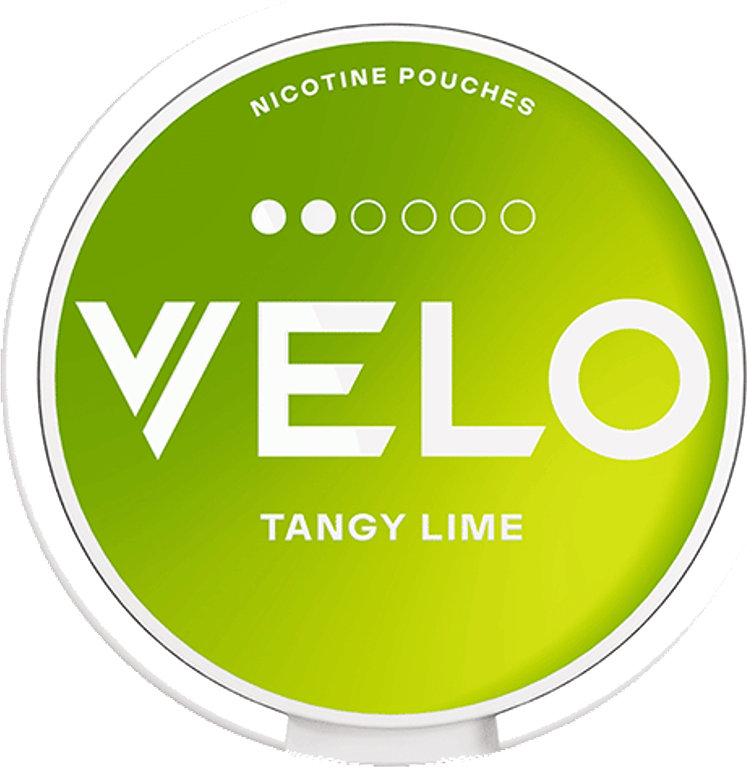
How tolerance changes the decision
Tolerance is one of the biggest reasons two people can disagree about the same pouch. Someone with a higher tolerance may find an extra strong product manageable, while another adult may find the same pouch uncomfortable. Tolerance can also change over time. A product that feels suitable now may feel too mild or too strong later, depending on how often it is used and what else has changed.
This is why it can help to think in terms of adjustment rather than a permanent choice. If light nicotine pouches feel too subtle, the next step may be a regular option rather than a major jump. If regular feels harsh, moving down a level may be more sensible than changing flavour, brand and strength at the same time. Keeping one thing consistent makes it easier to understand what caused the difference.
Flavour can complicate that process. Mint, fruit and other flavour styles can change how strong a pouch feels, even when the nicotine content is similar. A cooling flavour may make a product seem sharper, while a sweeter flavour may make it seem smoother. That does not mean the nicotine level has changed. It means perception is part of the experience, and perception matters when someone is trying to find a pouch they actually want to use.
When each option suits
Light pouches tend to suit adults who want a lower level of nicotine in a familiar pouch format. They can also suit people who are comparing options carefully and do not want to begin at the top of the strength range. For someone who only uses pouches occasionally, a lighter option may feel more proportionate than a high strength product.
Regular pouches often suit people who want a middle ground. This can be a practical choice when the goal is a noticeable effect without the intensity of extra strong products. It is also a useful comparison point when trying different flavours, because the strength is less likely to dominate the first impression.
Extra strong pouches suit adults who already understand their tolerance and prefer a stronger nicotine experience. They require more attention to timing and to how many pouches are used in a day. A higher strength product can be useful for someone who finds lower options unsatisfying, but it is less forgiving if used too frequently or too quickly.
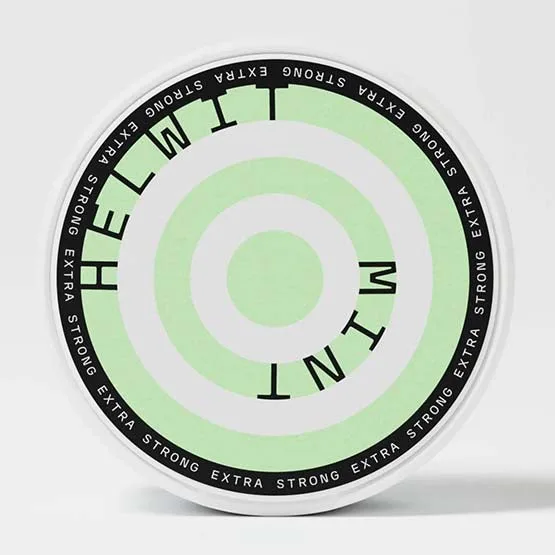
Checking the details before choosing
A careful comparison takes more than reading the strength name. Check the nicotine content in milligrams, the pouch size, the flavour and any wording about the product format. If the product is described as a slim pouch or mini pouch, think about whether comfort and discretion matter more than a larger format. If the nicotine content is high, consider whether the release is likely to feel direct or gradual.
It is also sensible to treat nicotine pouches as adult products and to follow the guidance provided with the product. Nicotine is addictive, and stronger options can increase the risk of taking more than intended. People who do not already use nicotine should not start using pouches for the sake of trying them. Adults who choose to use them should pay attention to how they feel and adjust only when there is a clear reason.
The right comparison is rarely about finding the strongest pouch or the mildest pouch in isolation. It is about matching strength, flavour, format and tolerance in a way that feels consistent. Light, regular and extra strong options each have a place, and the differences become clearer when the label is read alongside the details. A calm, informed choice is more useful than chasing a strength name that may not suit the way a person actually uses pouches.